
Every IRB and every piece of patrol gear, ready before the flags go up.
Pre-patrol checks for volunteer surf clubs: inflatable rescue boats and their outboards, rescue water craft, patrol equipment and first aid, and beach vehicles. Done on each member’s own phone, at the clubhouse or on the sand.
Why it matters
Patrols are run by volunteers
Members patrol on weekends and public holidays through the season, often a few times a month. The check has to be quick, plain and the same every time, whoever is on patrol that day.
Small craft, hard use
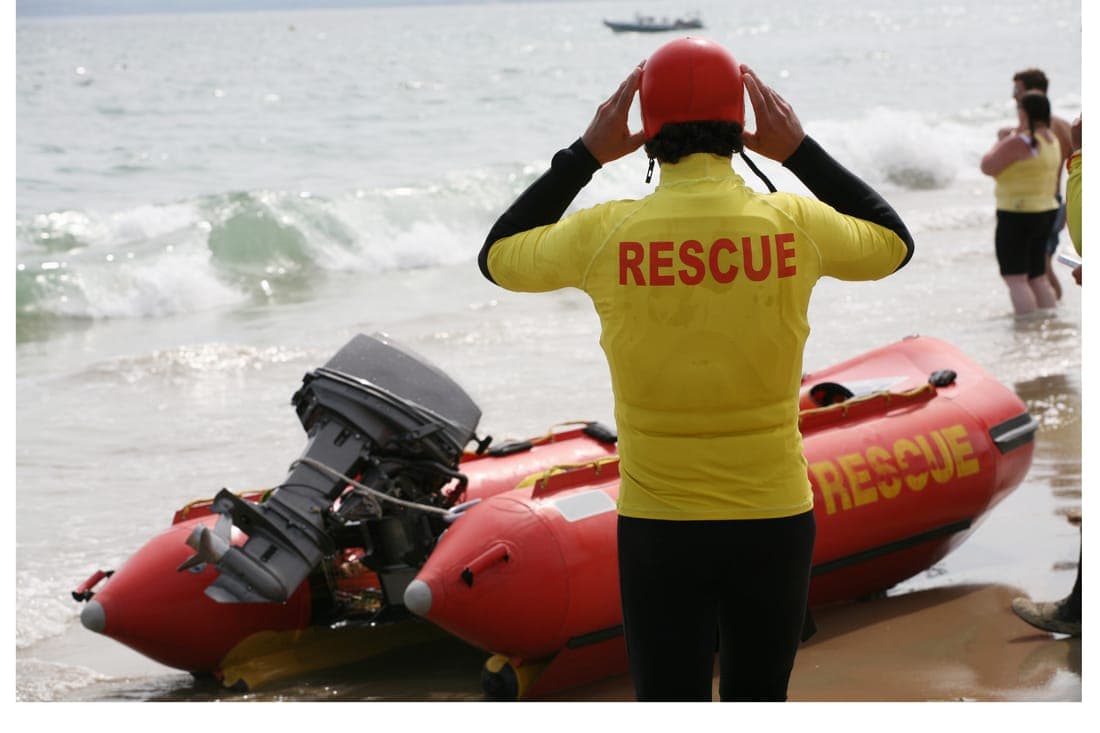
IRBs and rescue water craft live in salt, sand and surf. Hull pressure, valves, the kill switch, the propeller guard and the outboard need checking before every patrol, not just when something fails.
Life-saving gear has dates
Defibrillator pads, oxygen cylinders, first aid kits and outboard services all carry dates, and the gear moves between clubs, towers and patrol vehicles.
The club answers for the season
Clubs report to their state or national body and to councils that fund them. A full season of checks, faults and fixes is hard to produce from a paper logbook in the gear shed.
What Clearway ES does for surf life saving
IRB before every patrol
- Hull and pontoons inflated and holding, valves closed and capped, floor and keel sound
- Outboard mounted and secured, fuel connected, propeller and guard undamaged
- Kill switch stops the motor, every time. A fail takes the IRB off patrol
- Rescue tube, paddle, spare kill cord and crew helmets counted aboard
Rescue water craft
- A four-position walkaround with framed photos: bow, both sides and stern
- Engine starts and idles, kill lanyard stops it, jet intake clear, rescue sled secure
- Engine hours read at every check, and servicing tracked by them
- Warning light and horn or siren checked where fitted
Patrol gear and first aid
- Defibrillator self-test with a photo of the screen, pads and spare pads in date
- Oxygen resuscitation kit: cylinder pressure against your minimum, masks counted, suction working
- Rescue boards, rescue tubes, patrol flags, signs and radios counted against the patrol kit list
- First aid kit and spinal board checked, with expiry dates tracked
Beach vehicles
- Side-by-sides and four-wheel drives walked around with framed photos and every tyre
- Warning lights and siren checked on every template, with a photo of the lights running
- Engine hours or odometer read, and servicing due by hours, distance or date
- Recovery gear, board racks and the vehicle’s first aid kit checked
Built for volunteers
- On the member’s own phone, one item at a time, with the reason shown
- One login across the clubs a member belongs to, with a role in each
- Works on the sand with no signal, and sends when the phone is back in range
- The patrol captain sees what is ready before the flags go up
Faults to the gear shed
- A failed item sets the craft or vehicle to restricted or off patrol automatically
- Faults reported with photos and handed to the club’s gear steward as work orders
- Outboard services and defibrillator tests held in the equipment register, with their history
- A full season of checks exported for the club, the state body or the council
Report a fault the moment it is found.
Nobody waits for the next check or a phone call to the station. The crew who finds the problem reports it there and then, and the vehicle's status follows.
- 01Photograph it
From the vehicle screen, any time: on a job, at the hospital, on the sand. Live camera only, never the gallery.
- 02Say how serious
Critical takes it off run, major restricts it, minor is recorded. The crew decides on the spot.
- 03Everyone knows
The status changes on the board, a critical fault alerts the officers, and the workshop has the photo, as soon as the phone has signal.
Live cameraIRB · pre-patrol check
Every item decides what a failure does to the vehicle. That is what turns a form into a readiness system.
An illustration. Your items, limits and outcomes come from your own procedures and equipment, and every template for a vehicle or vessel starts with the lights and siren checks.
The record your obligations call for
Surf clubs work to their state and national body’s patrol procedures and gear requirements. Clearway ES keeps the evidence that each check was done, by whom and against which version of your club’s checklist. It does not interpret those requirements for you.
Clearway ES is independent and is not affiliated with any surf life saving organisation.
- Every check kept against the exact template version it was completed on
- An append-only audit log of who did what, when and where, which nobody can edit, including us
- Photos taken on the live camera and stamped on the phone with time, GPS position and compass heading
- A plain evidence rating on every walkaround, so a rushed or incomplete walk stands out
- Service, test and defect history for every vehicle and item of equipment
- Check records exported as a spreadsheet for audits, insurers and investigations
- All data and photos stored in Australia, in Sydney
Also suits council and professional lifeguard services, lake and river rescue groups, and other volunteer water safety organisations.
Other services
See it with your fleet
Send us one of your check sheets. We will build it as a walkaround and show you it running on a phone, with the status and records it produces.