
Rescue vessels checked before every launch.
Pre-launch checks for rescue vessels, rescue water craft, tenders and tow vehicles: engines and hours, navigation and warning lights, safety equipment, EPIRBs and flares.
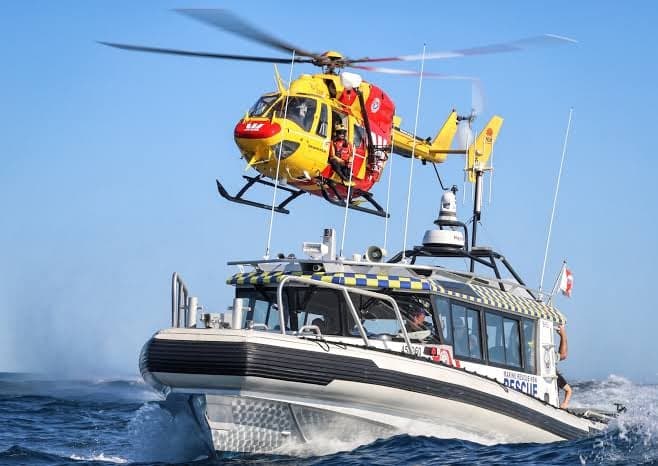
Why it matters
A vessel has more to check than a vehicle
Engines, bilge, steering, navigation lights, safety gear and radio all have to be right before leaving the berth.
Safety equipment expires
Flares, EPIRB batteries, liferafts, extinguishers and survey certificates all carry dates, often tracked on paper in the unit office.
Engine hours drive servicing
Outboards and inboards are serviced by hours. If hours are not read at every check, services are missed or done early.
Skippers and crews rotate
Volunteer crews change from day to day. What the last crew found has to reach the next one.
What Clearway ES does for marine rescue
Vessel walkaround
- Bow, starboard, stern and port positions, each with a shadowed outline to line up
- The helm photographed with the engine hour meters readable
- Hull, motors and fittings stamped with time, place and heading
Engines and hull
- Port and starboard engine hours read and photographed, never allowed to go backwards
- Engines start and idle, kill switch lanyard, steering at full lock both ways
- Bilge pumps on auto and manual, bungs in and hull dry
Lights and signals
- Navigation lights: port, starboard, stern and masthead
- Emergency warning lights and every siren tone, checked on every template, with a photo of the lights running
- Searchlight and deck floodlights
Safety equipment
- Lifejackets, throw bags, flares and rescue gear counted against par
- Short on flares can restrict the vessel before launch
- First aid kit, rescue sled and anchor checked
Compliance dates and servicing
- EPIRB battery, flares, liferaft service, extinguishers and survey certificate
- The EPIRB and its history in the equipment register
- Servicing by engine hours or date, whichever comes first
Tow vehicles and trailers
- Tow vehicles checked with their own template
- Trailers get a four-position walkaround, lights and coupling
- Handover from the evening crew to the morning crew
Rescue vessel · pre-launch
Every item decides what a failure does to the vehicle. That is what turns a form into a readiness system.
An illustration. Your items, limits and outcomes come from your own procedures and equipment, and every template starts with the lights and siren checks.
The record your obligations call for
Maritime safety requirements and your unit’s procedures set what must be carried and checked. Clearway ES keeps the record that it was, launch by launch.
- Every check kept against the exact template version it was completed on
- An append-only audit log of who did what, when and where, which nobody can edit, including us
- Photos taken on the live camera and stamped on the phone with time, GPS position and compass heading
- A plain evidence rating on every walkaround, so a rushed or incomplete walk stands out
- Service, test and defect history for every vehicle and item of equipment
- Check records exported as a spreadsheet for audits, insurers and investigations
- All data and photos stored in Australia, in Sydney
Also suits coastal volunteer groups, surf rescue, and port and harbour operators.
Other services
See it with your vessels
Send us one of your check sheets. We will build it as a walkaround and show you it running on a phone, with the status and records it produces.