
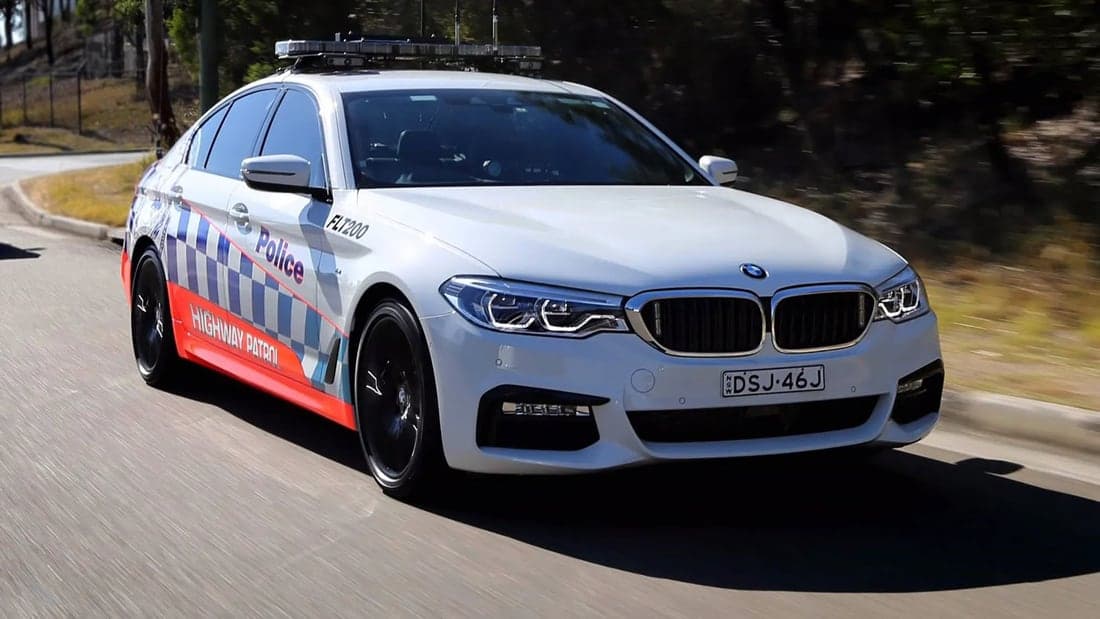
Patrol cars and their kit, ready every shift.
Start of shift checks for general duties, highway patrol, divisional vans and specialist vehicles: warning systems, radio and in-car systems, road control kits, issued equipment and calibration dates.
Why it matters
Vehicles change hands every shift
A car can have three crews in a day. When damage or a missing item is found, you need to know which shift it happened on and who held the vehicle.
The kit matters as much as the car
Road control kits, first aid, defibrillators and breath testing devices travel in the vehicle and need to be there, working and in date.
Calibration dates are easy to miss
Breath testing and speed detection equipment carry calibration dates that need tracking device by device, wherever the device is.
Warning systems must work first time
Lights, sirens, public address and message signs have to work before a priority job, not be discovered faulty during one.
What Clearway ES does for police
Warning systems
- Emergency warning lights and every siren tone, checked on every template, with a photo of the lights running
- Public address and rear message signs
- A fail restricts the vehicle and needs a photo
Radio and in-car systems
- Radio check with communications recorded against the shift
- Mobile data terminal, in-car video, speed detection self-test and duress alarm
- Portable radios counted as charged against par
Kits and issued equipment
- Road control kit: cones, road flares, stop and slow bats, tyre deflation device
- First aid kit, defibrillator and fire extinguisher
- Counts against par, with each shortfall recorded or restricting as you choose
Calibration and servicing
- Breath testing device calibration and service dates, raised before they lapse
- Speed detection calibration dates
- An equipment register showing which vehicle each device is in, with its history
- Vehicle servicing due by kilometres or date
Handover and damage
- Handover at shift change, accepted by the next crew
- Framed walkaround photos stamped with time, place and heading, so damage can be dated to a shift
- Damage marked on a drawing of the vehicle for a supervisor to review
Vehicle only, by design
- Clearway ES covers the vehicle and its equipment only
- It holds no operational, intelligence or evidential records
- Records stay in Australia and are separated from every other organisation
Highway patrol · start of shift
Every item decides what a failure does to the vehicle. That is what turns a form into a readiness system.
An illustration. Your items, limits and outcomes come from your own procedures and equipment, and every template starts with the lights and siren checks.
The record your obligations call for
Calibration authorities, your procedures and your regulator decide what must be checked and how often. Clearway ES records that it was done, on which device and by whom.
- Every check kept against the exact template version it was completed on
- An append-only audit log of who did what, when and where, which nobody can edit, including us
- Photos taken on the live camera and stamped on the phone with time, GPS position and compass heading
- A plain evidence rating on every walkaround, so a rushed or incomplete walk stands out
- Service, test and defect history for every vehicle and item of equipment
- Check records exported as a spreadsheet for audits, insurers and investigations
- All data and photos stored in Australia, in Sydney
Also suits transit, security and protective services fleets.
Other services
See it with your fleet
Send us one of your check sheets. We will build it as a walkaround and show you it running on a phone, with the status and records it produces.